
AI website optimisation, explained
AI website optimisation means using artificial intelligence to improve how a website performs: its traffic, rankings, visibility in AI answers, and conversions. It comes in three levels. AI assistants help you do the work. AI recommendations tell you what work to do. Self-improving platforms do the work for you, with your approval.
No credit card · Try in minutes
Last updated September 30, 2026
Every website tool now says "AI." Almost none of them mean the same thing by it. If you're a B2B founder or marketer trying to figure out whether AI can actually take the website off your plate, the three levels below are the map. The difference between them is one question: who does the work?
Level 1: AI assistants. You do the work, faster.
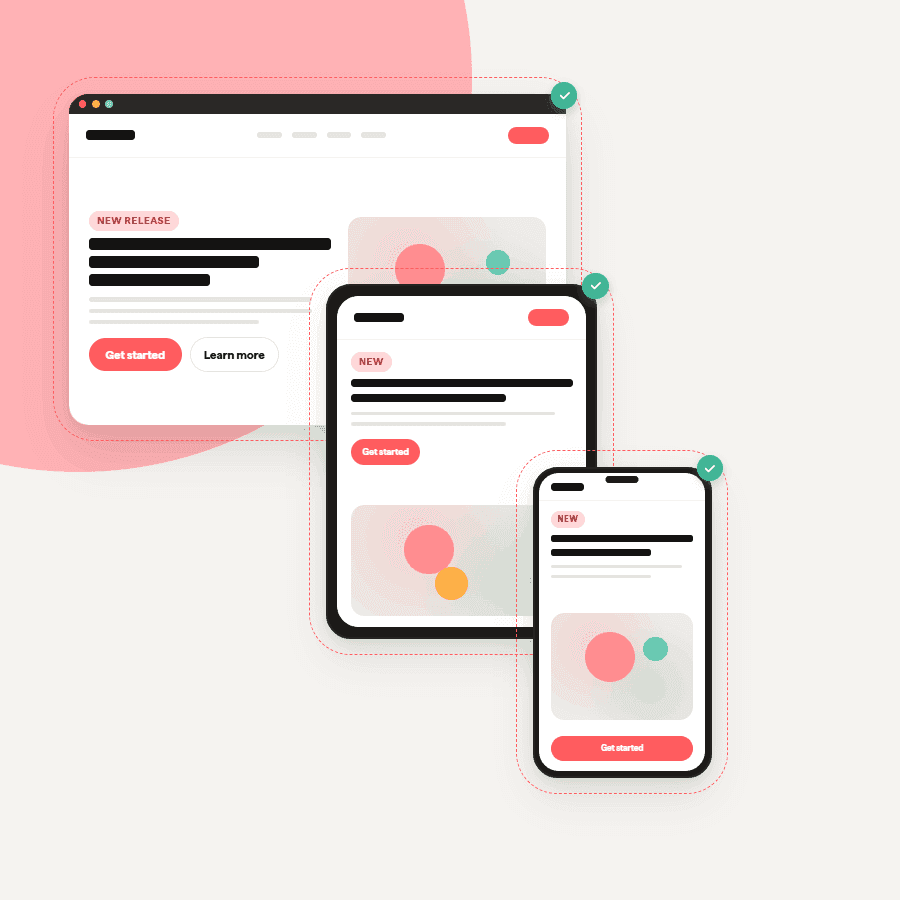
This is most of the market: AI writing tools inside a CMS, chat-based builders like Lovable, design agents like Framer's. They draft copy, generate pages, and answer questions. Useful, and honest tools at this level say so plainly: Framer describes agents that work "alongside you, not instead of you." The catch: someone on your team still decides what to change, drives every task, and judges whether it worked. If nobody has time for the website today, an assistant doesn't change that. It makes the time nobody has slightly more productive.
Level 2: AI recommendations. You're told the work, then you do it.
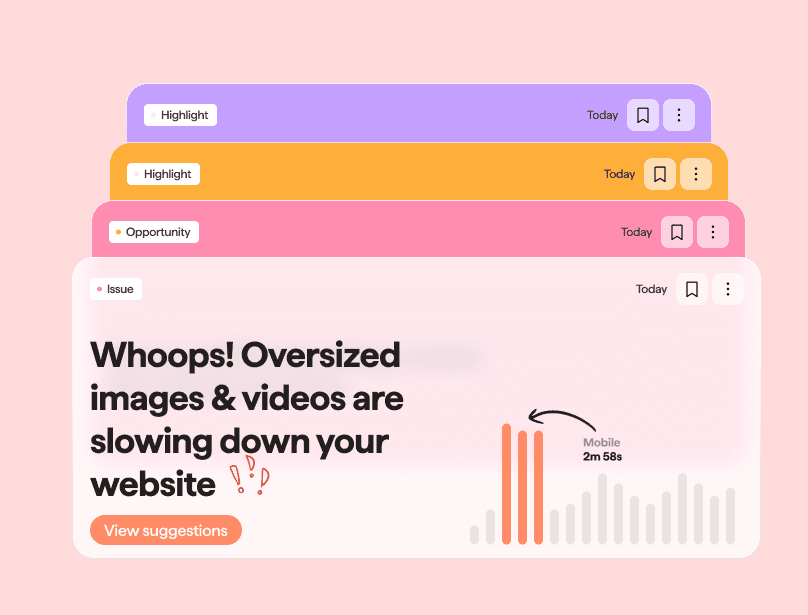
Analytics products and SEO suites now generate suggestions: fix this title, this page is slow, test this variant. Better, because the thinking is partly done. The catch: recommendation tools stop at the recommendation. Someone still has to build, publish, and follow through, which is why most audit reports and suggestion dashboards die unread. Knowing what to fix was never the bottleneck at busy companies. Doing it was.
Level 3: Self-improving platforms. The work is done for you.
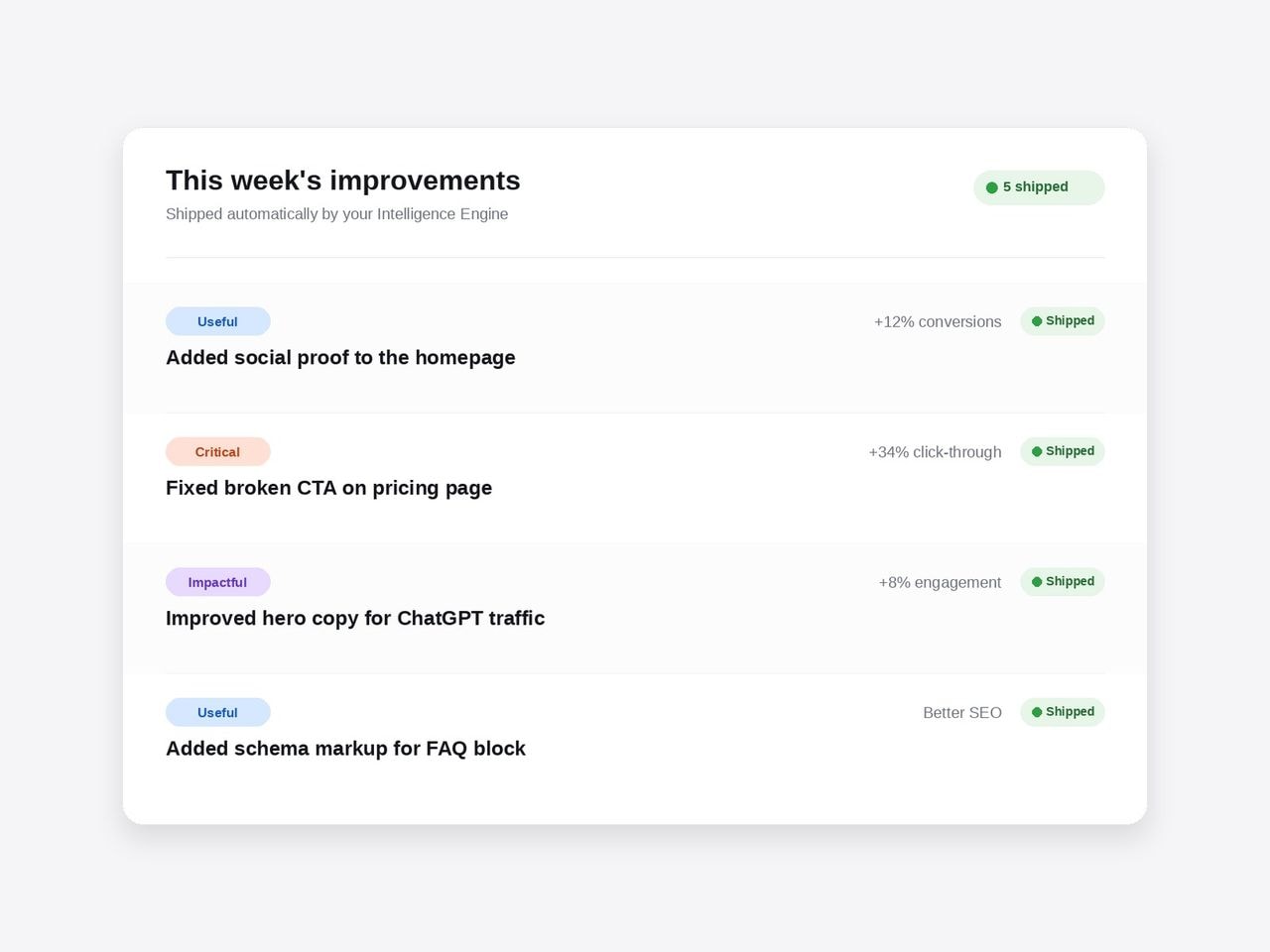
A self-improving website platform closes the loop. It measures the website, decides what to improve, ships the change itself, and learns from the result, continuously. You review every improvement before it goes live: approve, adjust, or let it run. This is the only level that changes the outcome for teams without a website owner, because it's the only level where the work stops depending on your calendar. Optise, which pioneered this model for B2B, ships improvements every week and its customers average 3x organic traffic growth and 4x inbound lead growth.
What AI optimisation can and can't do
Worth being honest here, since much of the market isn't.
AI is genuinely good at the loop: spotting underperformance in data, applying patterns from thousands of comparable websites, writing and shipping the fixes, and testing what works. A system that sees many B2B websites learns things no single team can: which page structures rank, which layouts convert, which messaging works for which industries.
What AI shouldn't do is run unsupervised. Your website is your brand's front door, and a wrong change is visible to every prospect. That's why the standard to look for is human approval on every change, the line between a self-improving website and a fully autonomous one. The system does the work. You hold the keys.
Free to start. No credit card. Try in minutes.
Frequently asked questions
AI reliably improves websites when it closes the whole loop: measure, decide, ship, learn. Tools that only draft content or only make suggestions leave the outcome dependent on your team's time, which is usually the original problem. Platforms that ship the improvements themselves, like Optise, are the level where results stop depending on your calendar.
Yes, with one important boundary: you should approve what goes live. A self-improving platform handles the measuring, deciding, and shipping automatically, every week, while you review every change before it publishes. Fully hands-off is possible too; it should be your choice, not the default.
Builders use AI at the start: they generate a website fast, then stop. Optimisation is everything after: making the live website rank, convert, and stay current. Building was never the hard part. If you're choosing tools, ask what happens in month three, not minute three.
It is when every change is visible and approved before it ships. Look for platforms with a review step and a visual editor, so you can adjust anything yourself. Avoid systems that change public pages with no human in the loop.
We know what your website needs. And we ship it.
Free to start. No credit card. Try in minutes.